Fall of Shot Recording System - FOSRS 2.0
AAL has released a completely upgraded surface gunfire recording and analysis system “Fall of Shot Recording System” – FOSRS 2.0, which takes advantage of the latest generation camcorder optics and image management to record and measure the miss distance relative to the target, when viewed from the target towing vessel.
It is designed to be operated from a target towing vessel or firing vessel and provides real time calculation of two dimensional distances from a target to the projectile splash position. The system comprises a hand held camcorder and ruggedised laptop computer that utilises latest generation optics and processor technology.
FOSRS 2.0 uses a Canon XF200 HD Camcorder and Panasonic Toughbook in a local WiFi configuration to provide real time streaming in challenging conditions at sea. Using camcorder metadata, the FOSRS 2.0 application allows dynamic changes to the camera to optimise the image for the prevailing conditions; the calculation to determine the miss distance is adjusted to account for this.
The system is designed to operate for 8 hours on battery, with system memory capable of storing in excess of 130 hours video imagery and data.
FOSRS 2.0 is compatible with previous versions of FOSRS, and MXF or MP4 video recorded from other sources. The system user interface is intuitive with a familiar Windows® feel. The analysis is presented to the operator in a clear format and is automatically exported to MS Excel to produce the final report.

Diver Signature Evaluation System (DSES)
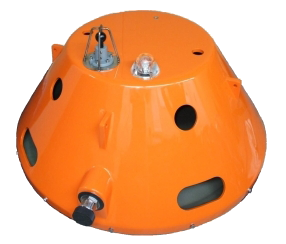
Originally developed by the NZDF’s Defence Technology Agency, DSES is a portable system that uses acoustic, pressure and magnetic sensors mounted in a mine shape to collect data on the signature emitted by EOD divers and their equipment and underwater vehicles. The software allows the setting of mine thresholds based on threat mine data and the operator console displays real time sensor recorded levels and mine status. Data can also be saved for post mission analysis. Underwater video camera footage can be viewed in real time or recorded. DSES is capable of operating in depths down to 50m, water temperature range of 2-35C and for mission lengths of up to 12 hours.
The DSES uses sensors and electronic systems mounted in a fibre glass Manta mine shape. Data is collected and transferred to a seabed computer via a fifty-metre cable from the mine shape. Control, power and data are transferred via a one hundred and fifty metre cable from the seabed computer to a vessel, typically a Rigid Hull Inflatable Boat (RHIB), on the surface for recording and analysis.
Multi Influence Sensor (MIS)
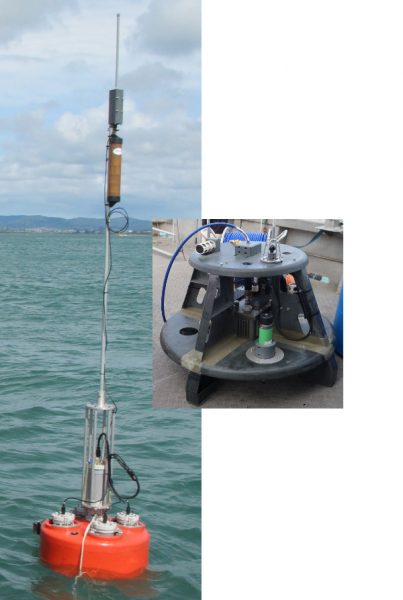
The Multi Influence Sensor (MIS) system detects, measures and records a vessel’s signature data. Monitoring this data allows vessel designers and operators to implement signature reducing strategies to mitigate the risk of the vessel being detected and damaged by sea mines, submarines or other underwater devices. The system can be deployed by 2-3 people from a small surface vessel in depths to 50 metres and quickly be fully operational. It measures 3-axis of magnetic, 3-axis of electric, omnidirectional acoustic, and pressure signatures.
The system comprises three main modules:
- Sensor Frame (SF). This is a tetrahedral fibreglass shape containing the sensors and processing computer.
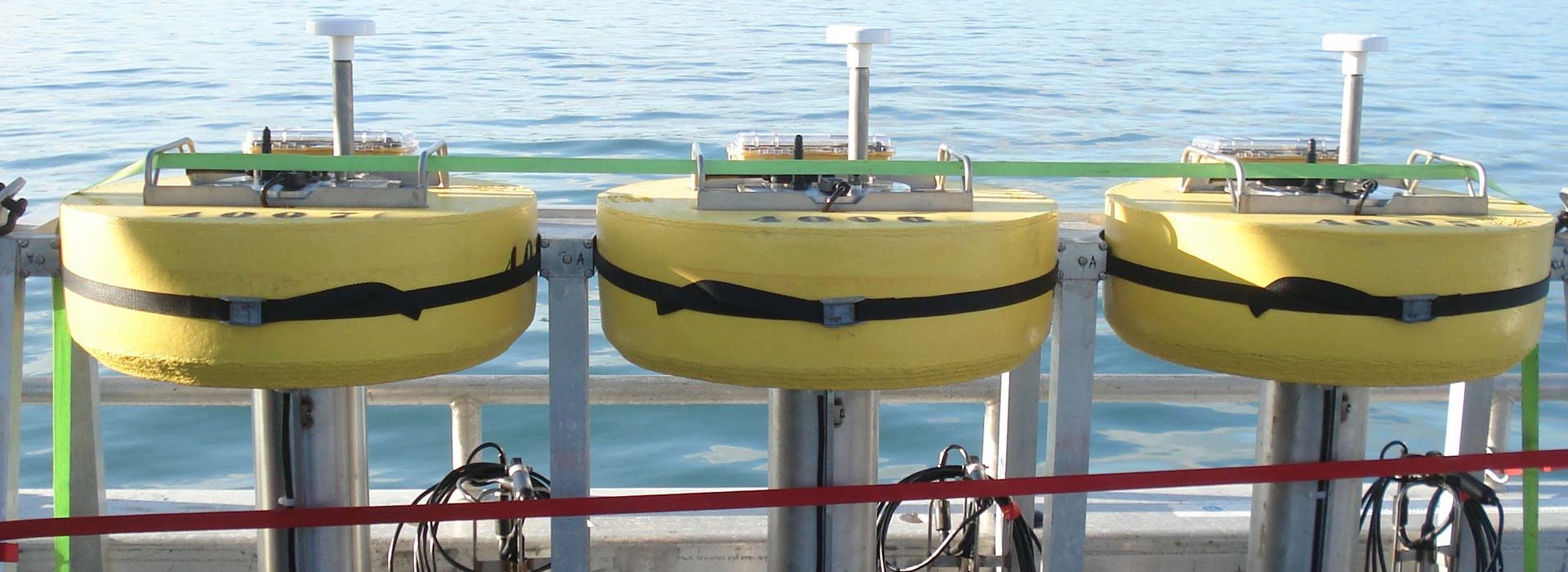
- Surface Buoy (SB). This is a floating buoy containing the system power supply, surface/sub-surface interface and communication system. The SF and SB are connected by a 200 metre hydrobond cable which transfers power, sensor data and control information.
- Surface Vessel Components. This comprises the system display, monitoring and control computer (Toughbook) and the communication wireless telemetry system.
The vessel’s signature data is collected by the sensors and stored on the computer housed in the sensor frame. An Ethernet based client/server connection is used for remote operational control and to transfer recorded sensor data. A Very-high-data-rate Digital Subscriber Line (VDSL) link is used from the SF to the surface buoy and then an encrypted wireless telemetry system is used for communications to the surface vessel. The position of the sensor frame on the seabed is accurately determined using an acoustic transducer which is remotely activated from the deployment vessel. Ship positioning data is obtained using the ship’s fitted systems and the sensor frame position is entered into the ship’s navigational system for reference when conducting the ranging. Ranging is then conducted by the vessel passing over the SF at predetermined speeds and on pre-determined tracks. The control laptop will display the real-time sensor data which can also be recorded for post ranging analysis. The system on-board battery capacity allows it to operate for a minimum of 8 hours and fresh battery pods can be swapped over without having to recover the system.
System control, monitoring and recording is all managed by the software installed on a Toughbook laptop. The system software provides; real-time display of sensor data on individual charts or in numerical format, the ability to record data and log events occurring during the recording, system status information and control of the transfer of recorded data.
System Features:
- Easily deployed and recovered
- Simple to operate
- Accurate measurement of acoustic, electric, pressure and magnetic signatures
- 50m depth rating
- Real time display and recording of data
Mobile Acoustic Scoring System (MASS)
MASS has been developed to enable warships to undertake self-conducted naval gunfire support (NGS) training exercises in the open ocean. The use of simulation technology provides greater training flexibility and effectiveness, reducing down-time and overall costs. Traditional bombardment ranges are constrained by distant location and environmental issues such as fire hazards, and foul range caused by small vessels and aircraft operating in coastal areas.
Key Features:
- Automatic Scoring and Assessment
- Reduced Mission Costs
- Improved training accuracy
- Portable
Remote Control Weapons Stations
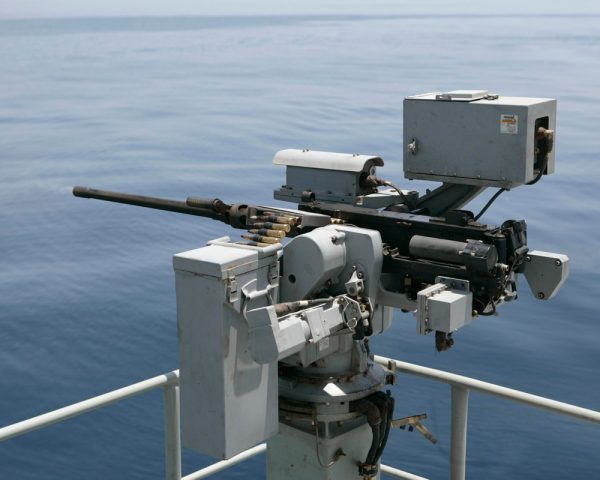
Rafael’s TYPHOON™ stabilised Naval Remotely Controlled Weapon Station (RCWS) systems accommodate small to medium-calibre guns, enabling superior ship perimeter protection. The high level of stabilisation and pointing accuracy results in a high hit probability, even against multiple small and fast manoeuvring targets such as UAVs and drones.
RAFAEL’s RCWS family of systems is used operationally by 16 international navies, who have successfully integrated the systems on board a vast array of naval vessels, from patrol boats and Offshore Patrol Vessels (OPV) to aircraft carriers. Typhoon’s worldwide installed base includes the surface fleet of the U.S. Navy, Royal Australian Navy, and Royal New Zealand Navy.
Electro Optical ISR and Targeting System
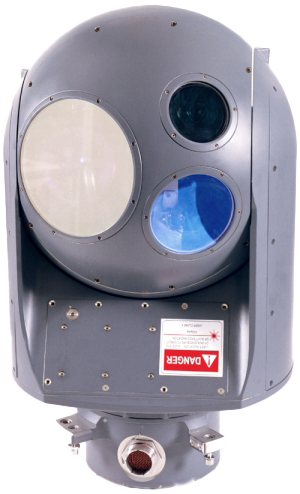
Rafael’s Toplite family of Electro-optic systems is an advanced multi sensor, multipurpose, highly stabilised EO/ISR solution for defence applications. It is used for a variety of applications on different platforms for intelligence/data collection, surveillance, reconnaissance, and weapon direction.
Mature, proven and fielded in more than 20 countries in all branches of the armed forces, the Toplite EOS incorporates up to six sensors for detection, identification, and targeting in a single and sealed LRU, which contains the sensors, the electronic section, the advanced tracker, and the stabilisation subsystem.
Rocket Powered Aircraft
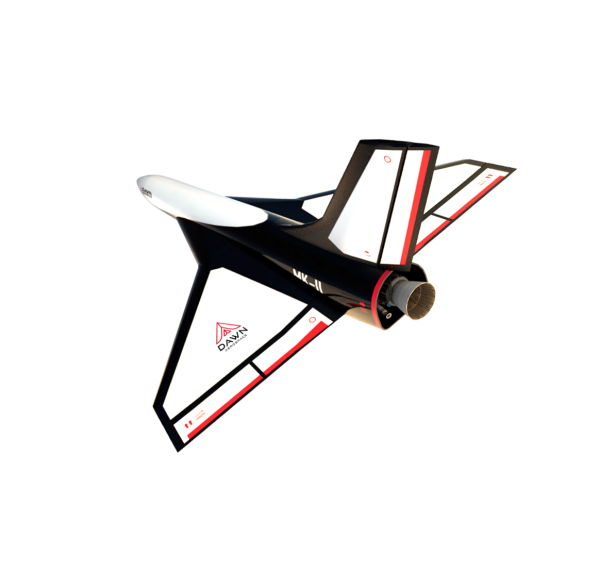
Dawn's Mk-II is a reusable, rocket-powered, suborbital aircraft that brings the versatility, reliability, and on-demand performance of an aircraft to suborbital operations: The Mk-II delivers high-speed affordable flight to suborbital space at low cost and high frequency. It is an ideal platform for research, defence, education, emergency response and much more.